5 Ways to Maximize CRM Opportunities at Your Dealership
Every dealership invests in a CRM to drive performance. Yet many store leaders still walk the showroom floor, wondering why more leads aren’t converting. In fact, 53% of salespeople have a love-hate relationship with their CRM, meaning they recognize its value but struggle to utilize it effectively in day-to-day operations.
That’s the problem most dealerships face: the data is there, but the opportunity sits untouched.
When your sales, BDC, finance, and service teams aren’t aligned on CRM usage, leads fall through the cracks, appointments don’t get set, and follow-up becomes inconsistent. That results in lost deals that should have been wins.
In this blog, we will discuss five ways to maximize CRM opportunities within your dealership, ensuring every lead is handled and every growth opportunity is captured.
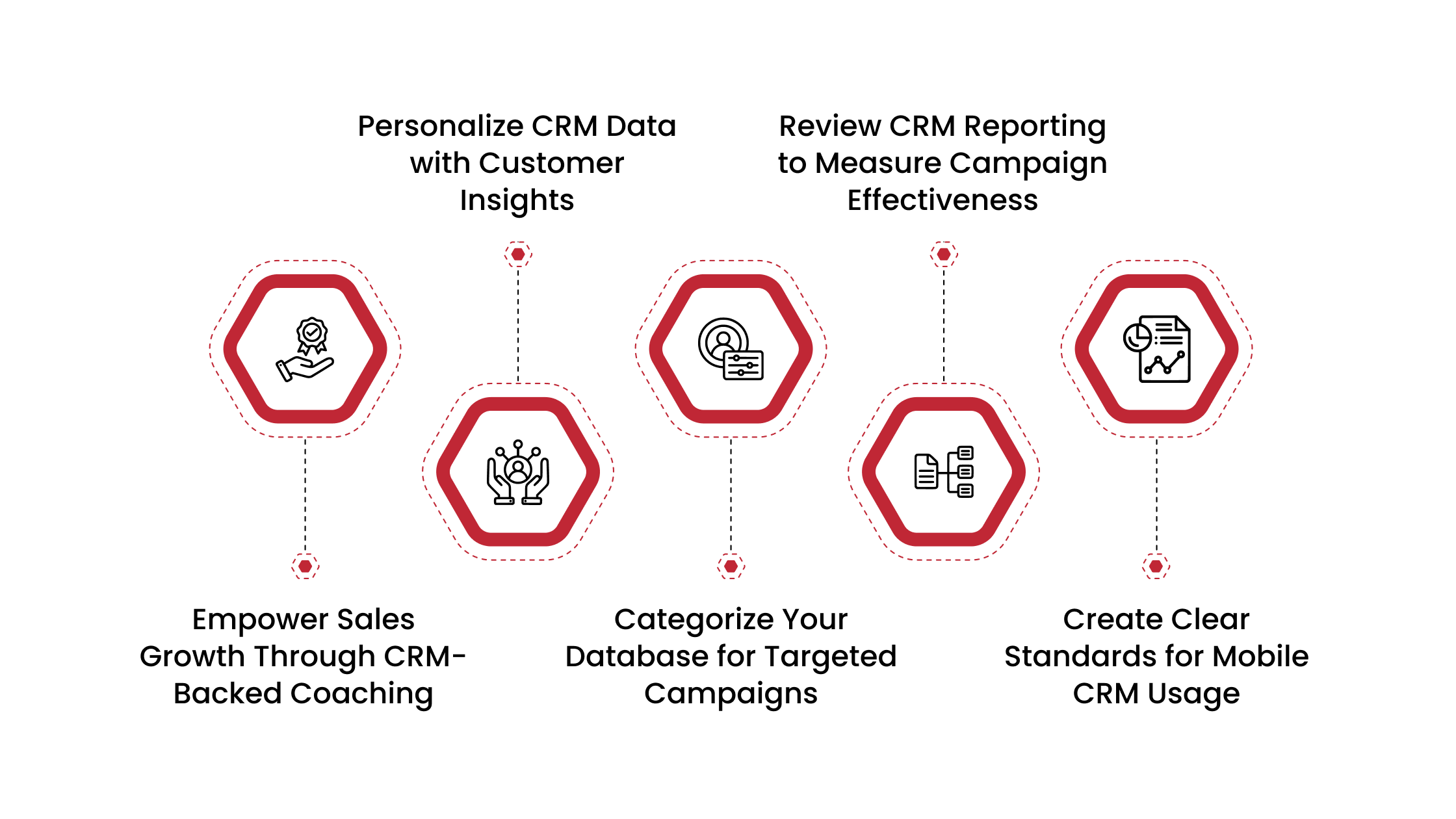
Top 5 Strategies To Maximize CRM Opportunities at Your Dealership
That love/hate tension doesn’t have to define your dealership’s relationship with its CRM. When the right strategy is in place, your CRM can boost engagement, increase appointment show rates, strengthen follow-ups, and consistently turn warm leads into loyal buyers.
So how do you take a tool that feels complicated and turn it into a growth engine the entire team actually wants to use?
Let’s walk through the top strategies to maximize CRM opportunities to elevate every customer interaction.
1. Empower Sales Growth Through CRM-Backed Coaching
A CRM should guide structured activity and help sales teams focus on the right opportunities. When managers use CRM data in daily development conversations, the team gains clarity, consistency, and accountability.
Too often, sales meetings sound like:
- “Who’s working deals?”
- “Who has ups today?”
- “Anyone following up with leads?”
That’s hoping. And hope doesn’t put appointments on the board.
CRM-backed in-dealership training helps every salesperson walk into each meeting with clear tasks, current pipeline status, and measurable activity benchmarks.
This establishes structure and reinforces execution.
2. Personalize CRM Data with Customer Insights
Personalization is what separates meaningful follow-up from noise. Customers are more likely to respond when outreach reflects their needs, timeline, and priorities. The CRM already holds the information required to personalize communication; teams simply need to use it consistently.
Use CRM notes to tailor outreach based on:
- Vehicle interests and trim
- Budget and monthly payment expectations
- Trade-in details
- Driving habits or lifestyle needs
- Communication preference (call, text, email)
This approach shows attention to detail and reinforces trust. At your next sales meeting, ask each salesperson to pull one active lead and share:
- One customer priority from CRM notes
- One personalized follow-up message tied to it
As a result, you will get clearer customer connections, stronger response rates, more qualified appointments, and increased trust and professionalism in every interaction.
3. Categorize Your Database for Targeted Campaigns
A CRM performs best when the database is organized, clean, and segmented. When customers are grouped by interest level, purchase timeline, and vehicle needs, your team can send the right message to the right shopper at the right time instead of blasting the same message to everyone.
Dealerships that segment their CRM see higher engagement, better appointment rates, and more efficient follow-up. Start by organizing your database into clear categories such as:
Active Opportunities
- Current leads
- Internet inquiries
- Showroom visits
- Phone ups
Future Buyers
- Customers researching but not ready
- Leads are shopping for other options
- Early-stage prospects gathered at events or online
Equity & Upgrade Prospects
- Customers with positive equity
- End-of-term lease customers
- Owners approaching ideal trade-in timelines
Service-to-Sales Opportunities
- Customers with aging vehicles in service
- Declined repair customers
- Known repeat service guests
With a segmented CRM, outreach becomes more intentional and relevant. Customers hear from you at the right time, with the right message, and sales teams stay focused on real opportunities instead of chasing every name in the system. The result is a healthier pipeline that supports consistent sales activity.
4. Review CRM Reporting to Measure Campaign Effectiveness
Leads can be strong, traffic can be steady, and marketing spend can be significant, yet results still fall short when reporting isn’t reviewed consistently. Dealerships often invest heavily in third-party lead providers and digital campaigns. Still, without evaluating the quality of sources and conversion performance in the CRM, it becomes difficult to determine what’s working and what isn’t.
CRM reporting helps identify which marketing channels generate real opportunities and which ones require adjustment. It also highlights internal follow-up gaps because sometimes the issue isn’t lead quality, but lead management. A structured review ensures the team isn’t assuming, but analyzing.
For example, a dealership might add a weekly reporting routine to review:
- Lead volume by source (OEM, third-party, website, referrals)
- Appointment set and show rates by channel
- Lead-to-sale conversions
- Response times across the team
- Notes quality and follow-up cadence
This ensures marketing dollars and sales behaviors align with dealership goals. If a channel generates leads but they aren’t converting, the team can determine whether the issue lies in targeting, messaging, or follow-up execution.
5. Create Clear Standards for Mobile CRM Usage
Mobile CRM access provides sales teams with flexibility, especially during busy showroom days, off-site events, and service lane walk-ins. But without clear standards, usage becomes inconsistent. Notes get delayed, follow-up tasks get missed, and valuable customer details never make it into the system.
Setting expectations for mobile CRM usage ensures updates happen in real time, not “later,” when information may be forgotten or incomplete. This helps salespeople stay organized on the go and gives managers accurate visibility into activity and customer status.
A dealership might set guidelines like:
- Enter notes within 10 minutes of a customer interaction
- Log new prospects immediately, not at the end of shift
- Upload voicemails, videos, and text conversations directly into CRM
- Set the next follow-up step before leaving the customer conversation
This level of consistency transforms the CRM into a live operational tool, rather than a historical record. Managers can track conversations accurately, and customers benefit from more personalized.
Transform Your Dealership’s CRM Usage Into Real Results

Strong CRM execution is powerful, but sustained results require disciplined leadership, a structured process, and accountability throughout the dealership. Automotive Training Network’s Full Dealership Management program strengthens your CRM performance with expert support across every department.
Your dedicated ATN team includes:
- Executive Manager: Oversees operations and financial performance
- Sales Director: Drives sales process consistency and showroom execution
- Fixed Ops Director: Improves service efficiency, retention, and profitability
- Digital Marketing Specialist: Optimizes online visibility and lead flow
- Brand Advertising Support: Strengthens dealership branding and ad strategy
- Senior Account Manager: Ensures follow-through and alignment on priorities
With 12,000+ dealerships supported, ATN delivers proven systems and hands-on leadership to help your store operate with clarity, discipline, and results. Ready to elevate CRM performance and overall dealership execution?