How To Build a Consistent & Profitable Operation with Special Finance Training for Dealerships

Dealership profitability today is closely tied to how well teams handle finance opportunities, especially with customers who fall outside traditional credit tiers. Rising vehicle costs and tighter budgets have made financing more complex, pushing more buyers into non-prime categories. That shift has created both a challenge and a major opportunity for dealerships.
Subprime borrowers now account for over 15.3% of total vehicle financing, with even higher concentrations among used-vehicle purchases. This means a significant portion of potential customers who walk into or call your dealership may not qualify for standard financing, but they are still ready to buy.
Despite this, many dealerships fail to fully capitalize on special finance opportunities. Deals fall apart due to poor structuring, weak communication, or a lack of process. Customers leave without options, and dealerships miss out on both front-end sales and backend finance income.
Special finance training equips dealership teams with the skills, structure, and confidence needed to work effectively with credit-challenged buyers, turning what is often seen as a difficult segment into a consistent and profitable revenue stream.
Common Challenges Dealerships Face With Special Finance Customers
Working with special finance customers presents significant opportunities, but it also introduces complexity that many dealerships are not fully prepared to handle. Without the right processes and training in place, these deals can quickly become inconsistent, time-consuming, and difficult to close.
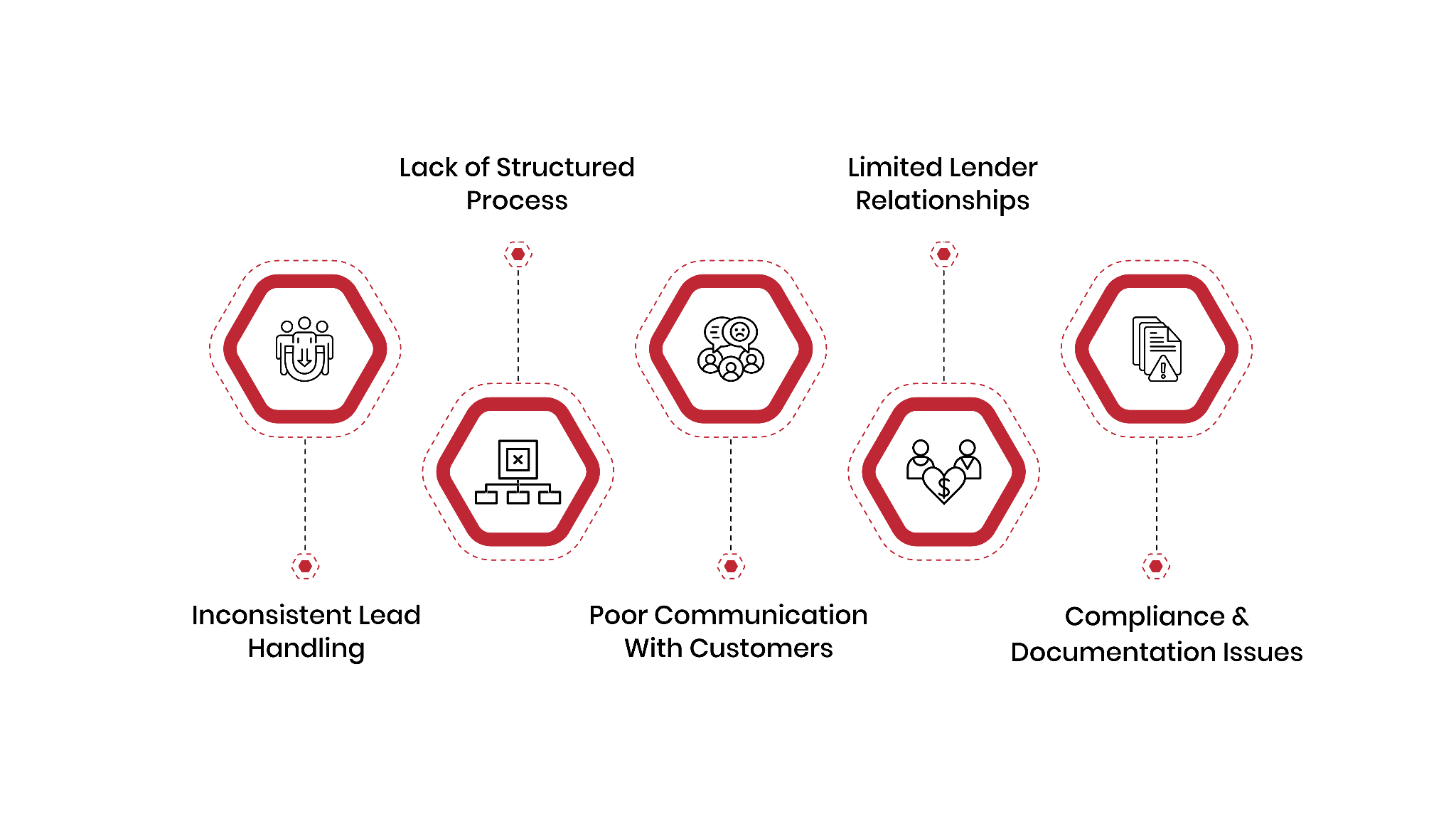
Inconsistent Lead Handling
Special finance leads require urgency and consistency, yet many dealerships struggle to follow a disciplined approach. Delayed responses, irregular follow-ups, and a lack of ownership often result in lost opportunities. Many of these customers are actively looking for solutions, and when communication is not timely or structured, they move on quickly.
Lack of Structured Process
A clear, step-by-step workflow is crucial in special finance, but many dealerships operate without one. Without a defined process that guides the customer journey from initial inquiry to final delivery, deals become unpredictable. This lack of structure creates inefficiencies, delays approvals, and reduces overall conversion rates.
Poor Communication With Customers
Special finance customers often need clarity and reassurance throughout the process. When communication is vague or inconsistent, trust breaks down. Misaligned expectations, especially around approvals, payments, or required documentation, can quickly lead to frustration and lost deals.
Limited Lender Relationships
The ability to secure approvals depends heavily on the strength of a dealership’s lender network. When relationships are limited, options become restricted, making it harder to match customers with the right financing solution. This directly impacts approval rates and deal volume.
Compliance & Documentation Issues
Special finance transactions require detailed documentation and strict compliance. Errors, missing paperwork, or incomplete files can delay or even cancel deals. Without consistent processes and oversight, these issues become more frequent and costly.
Overcoming these challenges requires a structured approach supported by proper training, ensuring that every step of the special finance process is handled consistently and accurately.
Why Special Finance Is a Major Revenue Opportunity for Dealerships
Special finance is often viewed as a complex or high-effort segment, but for dealerships that approach it strategically, it becomes one of the most consistent and scalable revenue streams. Instead of turning away credit-challenged buyers, dealerships can convert them into profitable deals with the right structure and process.
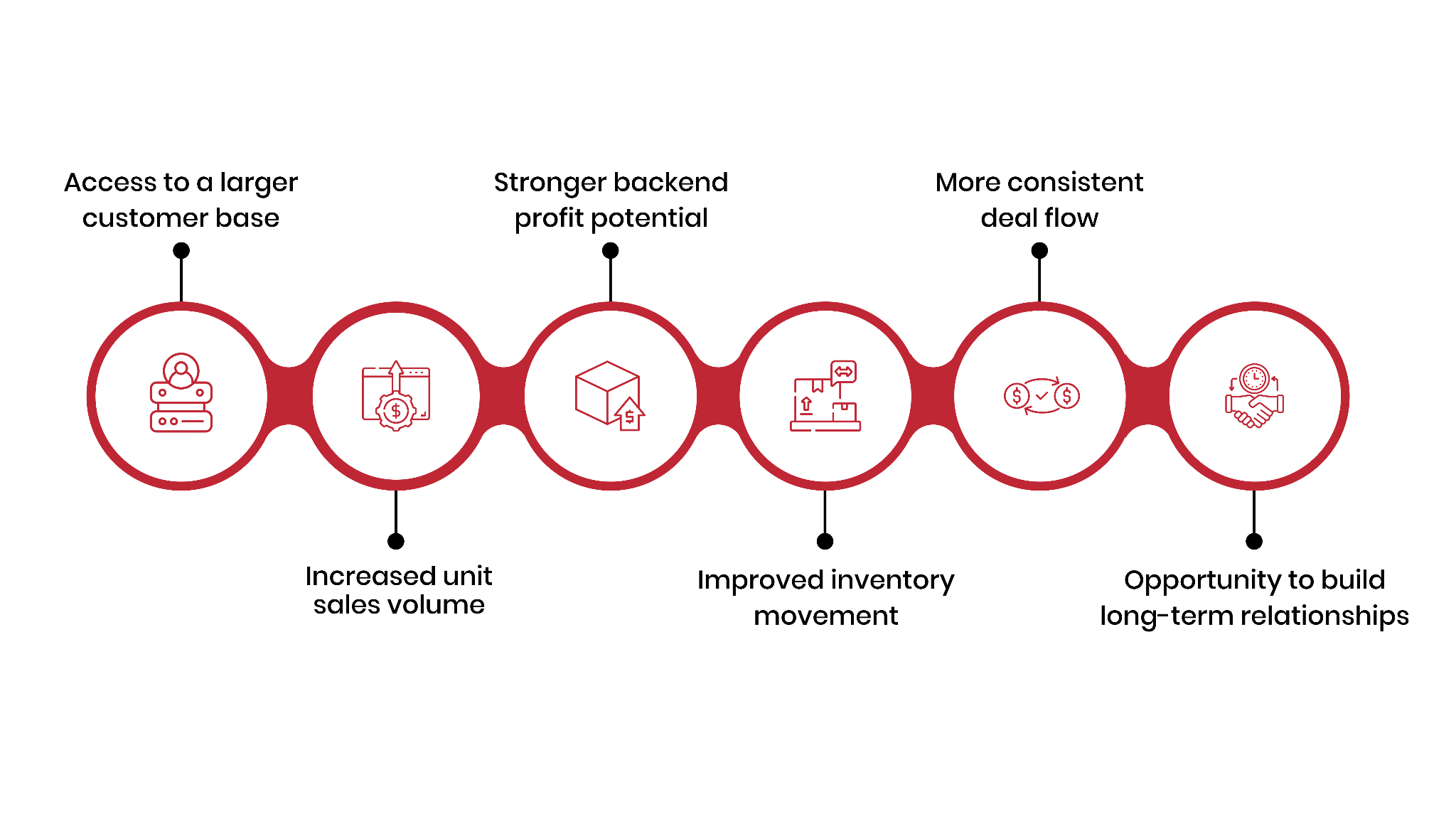
Special finance represents a major opportunity because it provides:
- Access to a larger customer base: A significant portion of car buyers fall outside prime credit tiers. Special finance allows dealerships to serve customers who would otherwise be declined or lost.
- Increased unit sales volume: Many of these buyers are ready to purchase but need the right financing solution. With proper handling, dealerships can significantly increase the total number of units sold.
- Stronger backend profit potential: Special finance deals often include higher finance income through lender participation, extended terms, and product offerings, increasing overall deal profitability.
- Improved inventory movement: Vehicles that may not appeal to prime buyers, such as older or higher-mileage units, can be effectively positioned for subprime customers, reducing aging inventory.
- More consistent deal flow: Special finance helps stabilize sales performance during slower periods by tapping into a broader and often underserved market segment.
- Opportunity to build long-term relationships: Customers who are approved through special finance often show strong loyalty when treated professionally, leading to repeat business and referrals.
Dealerships that invest in structured processes and training can turn special finance into a reliable revenue channel rather than an occasional or reactive effort.
How to Structure a High-Performing Special Finance Department
A successful special finance operation does not happen by chance. It requires clear structure, defined roles, and a consistent process that guides every deal from the first inquiry to final delivery. Dealerships that treat special finance as a dedicated function rather than an occasional effort see stronger approval rates, smoother workflows, and more consistent profitability.
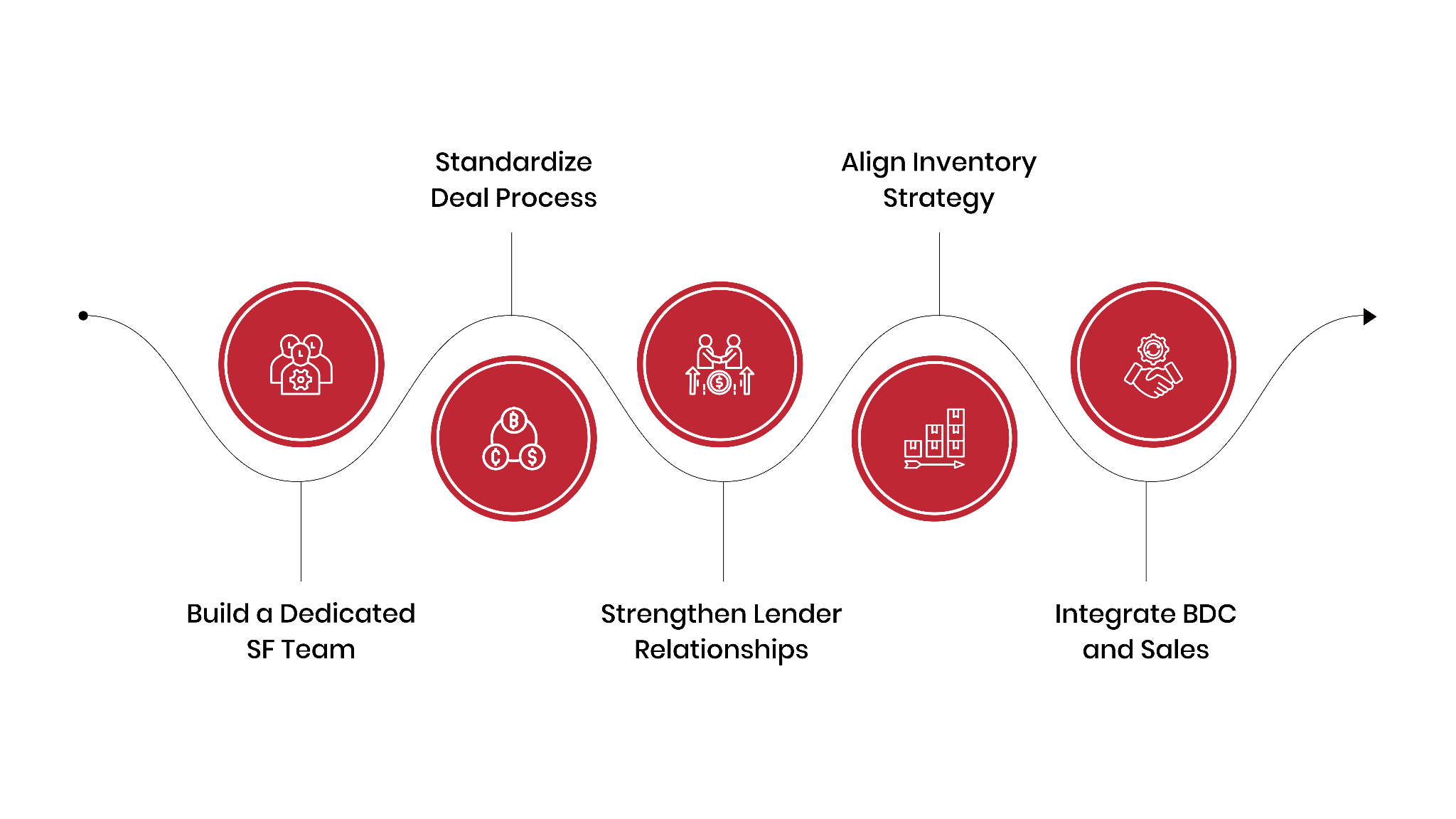
Build a Dedicated SF Team
A high-performing special finance department starts with the right people in the right roles. Instead of spreading responsibilities across multiple team members, successful dealerships assign a dedicated team focused specifically on special finance deals.
Each role should have clear accountability. A special finance manager oversees deal structuring and lender relationships, while sales representatives focus on customer interaction and vehicle selection. BDC agents support lead generation and follow-up. When responsibilities are clearly defined, there is less confusion, faster decision-making, and better overall execution.
Standardize Deal Process
Consistency is critical in special finance. Every deal should follow a structured, step-by-step workflow that eliminates guesswork and reduces delays.
This process typically includes lead intake, initial qualification, credit review, lender matching, vehicle selection, deal structuring, and final delivery. When each step is clearly outlined and consistently followed, teams can move deals forward efficiently while maintaining control. A defined process also improves the customer experience by setting clear expectations at every stage.
Strengthen Lender Relationships
Approvals in special finance depend heavily on access to the right lenders. A dealership with a limited network will struggle to secure approvals, while one with strong relationships can match customers with the most suitable financing options.
Building this network requires ongoing effort. Dealerships need to work with multiple lenders, understand their approval criteria, and maintain open communication. Strong relationships often lead to better flexibility, faster approvals, and higher deal success rates.
Align Inventory Strategy
Dealerships must align their inventory strategy accordingly. This means stocking vehicles that meet lender guidelines on price, mileage, and age. When inventory is aligned with financing options, deal structuring becomes easier, and approval rates improve. Poor inventory alignment, on the other hand, creates friction and limits opportunities.
Integrate BDC and Sales
Special finance cannot operate in isolation. It must be fully integrated with both the BDC and the sales teams to ensure a smooth, consistent customer experience.
BDC teams need to identify and properly qualify special finance leads before handing them off. Sales teams must understand how to work with these customers and coordinate closely with finance managers. Clear communication and seamless handoffs between departments prevent delays, reduce confusion, and improve conversion rates.
When all parts of the dealership work together under a structured approach, special finance becomes a reliable and scalable revenue stream rather than a reactive process.
Tips for Working With Subprime Buyers Effectively
Working with subprime buyers requires a different approach than conventional sales. These customers often come in with concerns about approval, affordability, and trust. Dealerships that communicate clearly and guide the process effectively are far more successful at converting these opportunities into completed deals.
Effective strategies include:
- Build trust early: Be transparent about the process, approvals, and next steps to reduce uncertainty and create confidence.
- Set realistic expectations: Clearly explain what is possible based on the credit situation to avoid frustration later in the process.
- Focus on affordability: Guide conversations about monthly payments and budget, not just vehicle price.
- Simplify the process: Keep steps clear and easy to follow so customers do not feel overwhelmed.
- Stay consistent with follow-up: Maintain regular communication to keep customers engaged and moving forward.
- Be patient and supportive: Subprime buyers may need more reassurance, so a steady and professional approach is essential.
- Match the right vehicle to the deal: Align inventory with lender requirements to improve the chances of approval.
When dealerships approach subprime buyers with clarity, structure, and consistency, they build stronger relationships and significantly improve approval rates and deal completion.
Drive More Approvals & Profit With Special Finance Training From ATN

Special finance success comes down to structure, confidence, and consistency. Dealerships that invest in proper training can turn challenging deals into reliable revenue, improve approval rates, and create better customer experiences across every finance interaction.
Automotive Training Network’s finance training programs are built specifically for dealership environments, helping finance managers and teams strengthen their approach to deal structuring, compliance, and customer communication. Each program is tailored to your dealership’s needs, ensuring your team can apply what they learn immediately and effectively.
With ATN finance training, your dealership can benefit from:
- Stronger deal structuring skills: Improve how your team works with lenders and builds finance deals
- Higher approval rates: Match customers with the right financing options more effectively
- Improved compliance and accuracy: Reduce errors and ensure every deal meets required standards
- Better customer communication: Build trust and guide customers through the finance process clearly
- Increased backend profitability: Maximize finance product penetration and overall deal value
A well-trained finance team creates opportunities, improves customer trust, and drives consistent dealership growth.
Get Started With ATN Finance Training
Frequently Asked Questions
1. What is special finance in a dealership?
Special finance refers to helping customers with less-than-perfect credit secure vehicle financing through alternative lenders and structured deals.
2. How can dealerships increase special finance approvals?
Improving lender relationships, aligning inventory with lender criteria, and following a structured process can significantly increase approval rates.
3. What types of customers fall under special finance?
Customers with low credit scores, limited credit history, past financial challenges, or recent bankruptcies typically fall into the special finance category.
4. Why is training important for special finance teams?
Training helps teams structure deals correctly, communicate clearly with customers, and reduce errors that can lead to declined approvals.
5. How does special finance impact dealership profitability?
Special finance increases unit sales, improves backend income, and helps move inventory that may otherwise remain unsold, contributing to overall profitability.