How to Turn Underperforming Sales Teams into Top Producers with Targeted Training
The salesperson is sharp, knows the product, and knows the customer. But the follow-up falls flat.
Leads come in daily, yet the emails sound robotic, the calls lack energy, and empathy disappears the moment pressure hits. The effort is there, but the structure isn’t.
Does this sound familiar? Many dealerships face this exact gap: motivated teams with potential, but no consistent structure to turn interest into sales. Underperformance rarely stems from a lack of talent; it’s usually a lack of direction, follow-up strategy, and coaching.
That’s where targeted, in-dealership training changes everything. According to reports, effective coaching can lead to a 28% higher win rate and an 88% increase in productivity.
Targeted training transforms hesitation into confidence, replaces inconsistency with process, and turns capable teams into top-performing teams.
Top 8 Ways Targeted Training Transforms Sales Teams
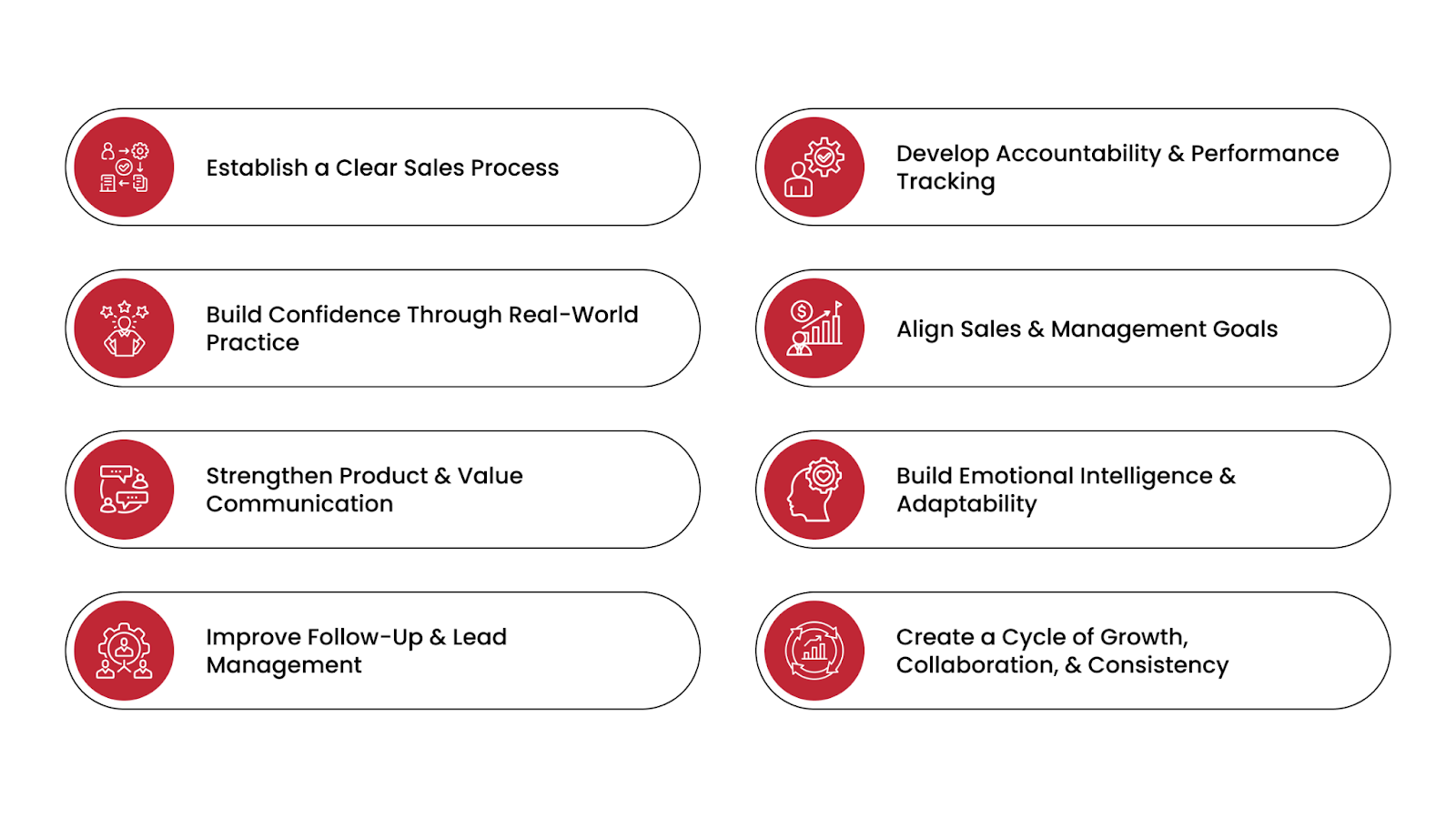
Targeted training delivers measurable, lasting change by combining in-dealership coaching, behavioral reinforcement, and strategic alignment. Here are ten ways ATN’s training programs drive peak sales performance.
1. Establish a Clear Sales Process
Underperforming teams often lack a defined, repeatable process. Without it, every salesperson “does their own thing,” leading to inconsistent results and missed opportunities. Targeted training introduces a structured sales roadmap, car sales questions to ask customers, a presentation, and a close that gives every salesperson a clear path to follow.
For example, a dealership might train sales teams to follow a 6-step sales cycle:
When this process becomes routine, salespeople stop relying on luck and start relying on structure. Customers experience smoother interactions, managers can coach around a defined standard, and results become more predictable.
Major outcomes include:
- Clear process standards that eliminate guesswork and inconsistency
- Improved customer trust through professional, repeatable interactions
- Higher close ratios driven by confidence and a proven sales rhythm
2. Build Confidence Through Real-World Practice
Sales confidence doesn’t come from theory but from hands-on training. The more often salespeople practice real scenarios, the more naturally they respond when it counts. Training that includes live roleplays, objection-handling drills, and shadow sessions helps turn nervous hesitation into calm, professional execution.
For example, during a roleplay, a salesperson might practice handling a customer who says, “I need to think about it.” Instead of freezing or offering a discount too soon, they learn to respond with curiosity:
“I completely understand. Buying a vehicle is a big decision. Can I ask what you’d like to think through so I can help?”
Through repetition and coaching, these responses become instinctive. Salespeople start to approach high-pressure situations. This may include queries about a dealership’s in-house financing, trade-in negotiations, or month-end closings.
Participants gain:
- Greater comfort with high-pressure negotiations through regular, realistic practice
- Stronger presentation and communication skills that feel natural, not rehearsed
- Reduced anxiety and improved closing effectiveness by building muscle memory and self-assurance
3. Strengthen Product & Value Communication
Customers buy value, not just vehicles. Training helps sales professionals position products and services around what matters most to the customer: needs, lifestyle, and long-term satisfaction, rather than simply focusing on price. This shifts the sales conversation from “How much?” to “Why this vehicle fits you best.”
Training will help the team in:
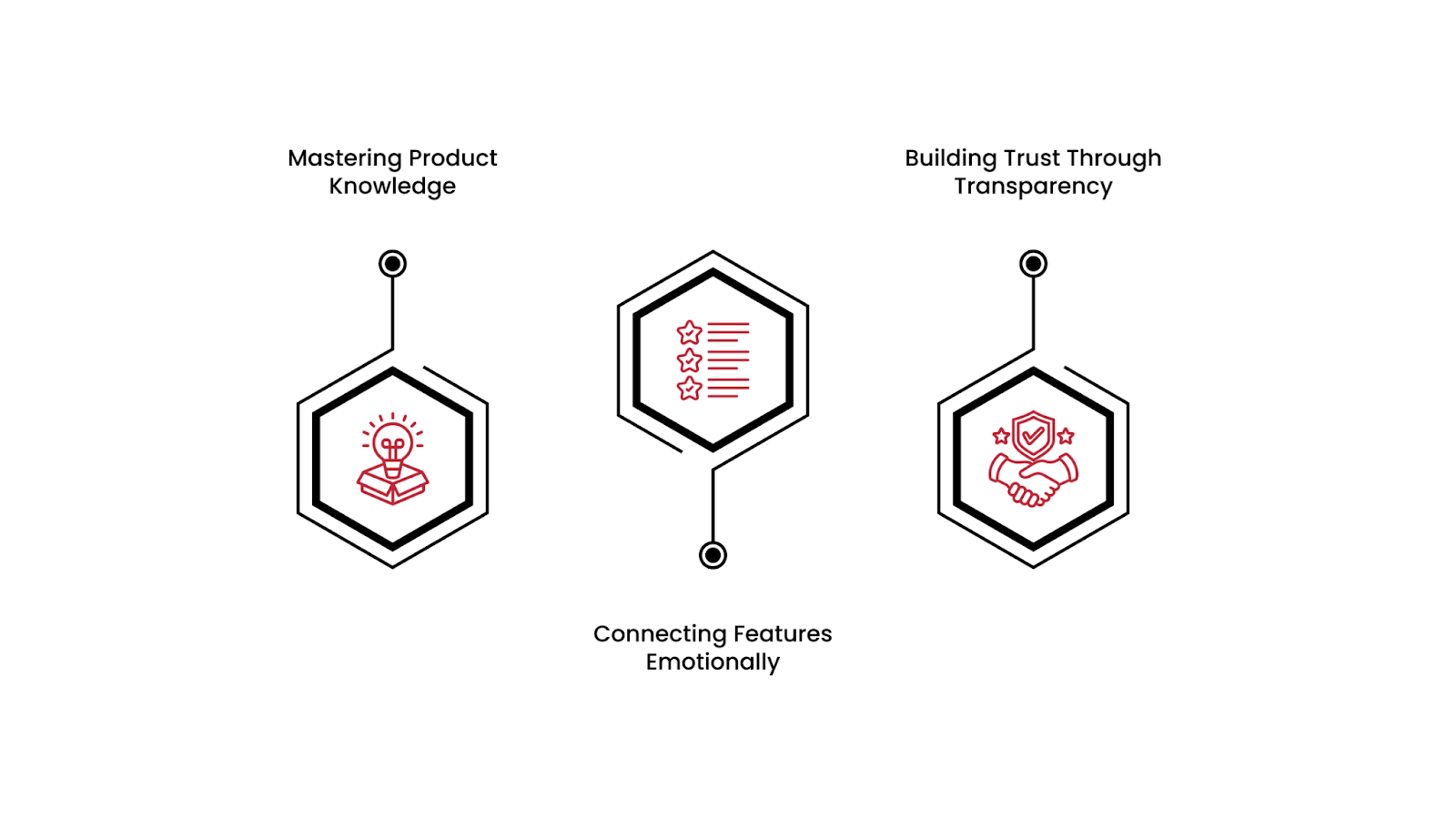
- Mastering Product Knowledge: Salespeople develop a deeper understanding of vehicle features, trims, and technology. This allows them to present confidently and answer customer questions without hesitation.
- Connecting Features Emotionally: Training emphasizes linking features to what the customer values most, such as safety for a family, performance for enthusiasts, or efficiency for commuters.
- Building Trust Through Transparency: Sales teams learn to explain pricing, warranties, and benefits openly, creating credibility that leads to repeat business and lasting relationships.
4. Improve Follow-Up & Lead Management
Sales lost to poor follow-up are opportunities left on the table. Many leads go cold not because customers aren’t interested, but because no one followed up at the right time or in the right way. Training emphasizes proactive lead management, using CRM systems efficiently, setting reminders, and tracking every stage of the customer journey to keep potential buyers engaged.
For example, a salesperson might receive an internet lead on a Monday morning. Instead of sending one generic email and moving on, they’re trained to follow one of the most effective car dealership marketing strategies, which is to create a structured follow-up plan:
This kind of organized, multi-touch follow-up turns passive interest into active conversations, and often into appointments and sales.
Practical skills developed:
- Prioritizing High-Value Leads: Learning how to focus time and effort on leads most likely to convert, rather than spreading attention too thin.
- Structuring Daily Follow-Up Tasks: Creating consistent habits through scheduled CRM activities and reminders to prevent missed opportunities.
- Using CRM Analytics to Improve Conversions: Tracking engagement data to identify which follow-up methods and timings produce the best results, then refining the process accordingly.
5. Develop Accountability & Performance Tracking
Top producers know their numbers. Building accountability starts with helping sales teams track key metrics, appointments, demos, and close rates. This helps them take ownership of outcomes instead of guessing performance. Managers reinforce this through clear benchmarks, daily reviews, and consistent recognition.
6. Align Sales & Management Goals
Training unites sales professionals and management under shared dealership objectives. By improving communication and mutual accountability, teams work with greater focus and collaboration.
Benefits include:
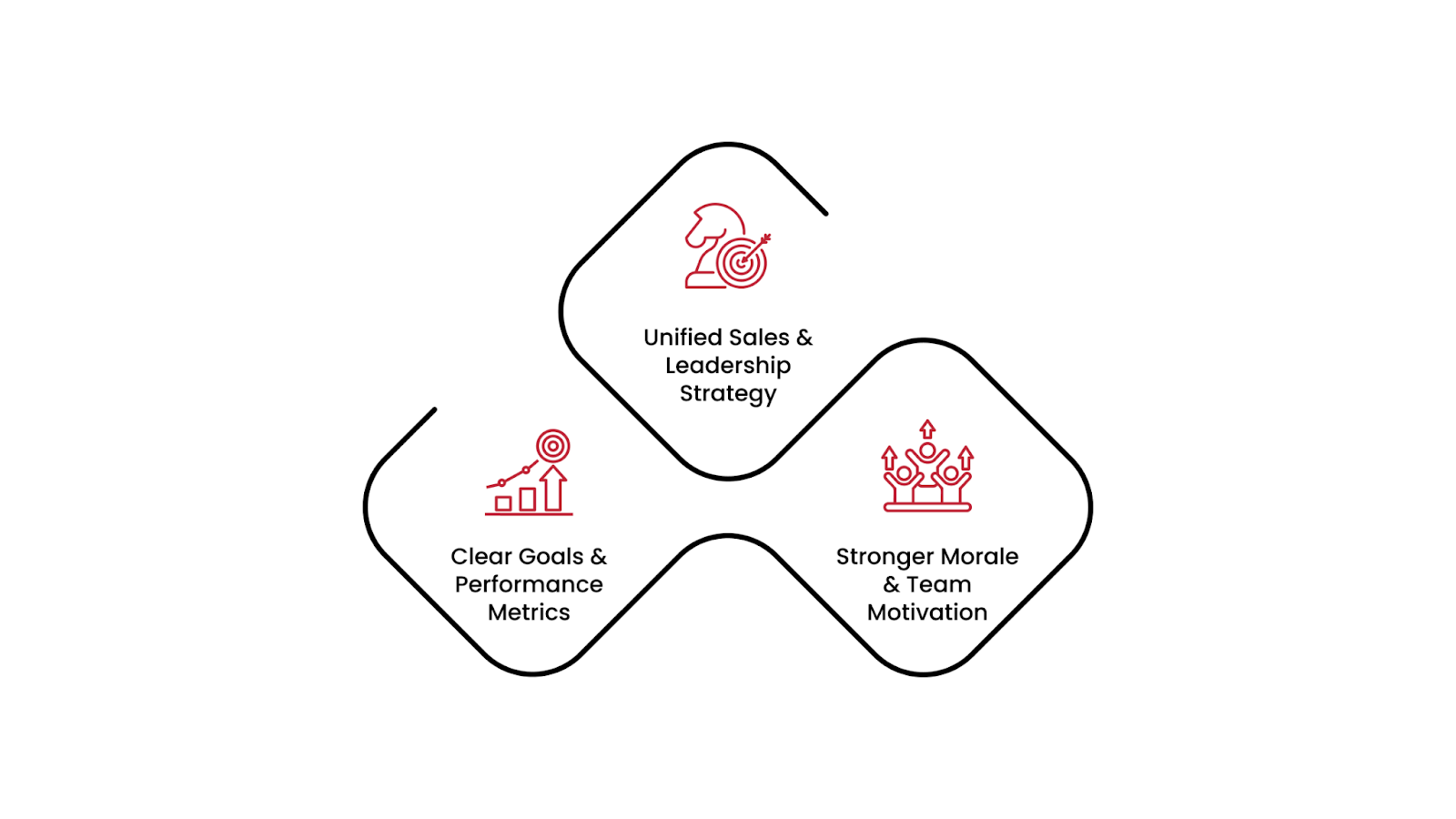
- Unified Sales & Leadership Strategy: Everyone works toward common dealership KPIs such as gross profit, CSI, and retention rates.
- Clear Goals & Performance Metrics: Each team member understands their targets and how success will be measured.
- Stronger Morale & Team Motivation: Regular communication and visible results create trust, motivation, and a sense of shared accomplishment.
7. Build Emotional Intelligence & Adaptability
Great salespeople connect with their customers. Emotional intelligence helps them sense what customers aren’t saying and adapt their tone, timing, and message to build trust instead of pressure. Real-world scenarios show how emotional awareness changes the outcomes of car sales negotiations at every step of the sale.
Outcomes include:
- Improved Listening and Adaptability: Reading emotional cues to adjust tone and pacing for each interaction.
- Stronger Customer Trust and Loyalty: Turning tense moments into relationship-building opportunities.
- Reduced Tension in Challenging Interactions: Using empathy to defuse conflict and keep conversations productive.
8. Create a Cycle of Growth, Collaboration, & Consistency
Sales success is achieved through a culture that encourages improvement, teamwork, and ongoing coaching. When these three elements come together, sales teams perform and stay consistent.
Continuous Improvement: Training cultivates a growth mindset where learning becomes part of everyday work. Salespeople reflect on their wins and misses, share insights with peers, and continually refine their techniques. This daily commitment to progress keeps performance sharp long after formal training sessions end.
Cross-Department Collaboration: True sales excellence happens when departments work as one. Training encourages stronger partnerships between sales, service, finance, and BDC teams. This ensures handoffs are smoother, communication is faster, and customers experience one unified dealership, not disconnected departments.
Ongoing Coaching & Reinforcement: Lasting change comes from consistent reinforcement. Regular coaching sessions, follow-up reviews, and digital learning modules help teams apply lessons in real time and adapt to market conditions. Managers continue to guide growth, while salespeople remain accountable and motivated.
Sustained Results:
- Motivation and engagement stay high through continual learning and recognition.
- Interdepartmental collaboration strengthens efficiency and customer satisfaction.
- Coaching ensures steady performance improvement and long-term retention.
Together, these elements create a cycle of growth, where teams learn, collaborate, and perform with consistency day after day.
Turning underperforming teams into consistent top producers takes a partner who knows the rhythm of dealership life. That’s where Automotive Training Network (ATN) comes in.
How ATN Turns Training into Tangible Dealership Results
With nearly four decades of hands-on experience, ATN helps dealerships tap into the staff's potential and performance, developing confident leaders, structured teams, and measurable growth that lasts.
Dealership Sales Process Training: ATN’s Dealership Sales Process Training builds repeatable, step-by-step systems that guide every interaction from greeting to close. It creates consistency, confidence, and higher close ratios across the entire sales floor.
BDC Performance Training: The Stuker BDC Training program helps business development teams with proven scripts, appointment-setting skills, and follow-up processes that convert leads into showroom traffic.
Finance Department Training: With Finance Training, teams learn to maximize profit per deal while maintaining transparency, trust, and compliance in every customer interaction.
Service & Parts Training: ATN’s Dealership Service & Parts Training strengthens leadership, process efficiency, and customer retention in the fixed operations department, turning service into a true profit center.
Executive Leadership Programs: Through Executive Services, ATN develops dealership leaders with advanced skills in operations, forecasting, and culture-building, preparing them to lead with clarity and confidence.
Accounting & Office Training: The Accounting Training for Automotive Dealerships program helps office teams maintain accuracy, streamline reporting, and align financials with dealership performance goals.
ATNVT Virtual Learning: ATNVT extends learning beyond the showroom with interactive digital modules, quizzes, and certifications that reinforce in-person coaching and sustain long-term improvement.
In-Dealership Training Programs: ATN’s In-Dealership Training Programs bring coaching directly to your store, allowing teams to apply lessons immediately in live customer interactions.
In-Market Call Blitz: With the In-Market Call Blitz program, sales teams receive real-time call training that improves tone, confidence, and conversion during actual outbound sessions.
Dealership Analysis Services: The Dealership Analysis service delivers deep operational insights, helping dealerships identify inefficiencies, strengthen accountability, and improve overall profitability.
Phone Training Manuals: ATN’s Phone Training Manuals provide structured scripts, word tracks, and best practices that ensure consistent, professional communication across all departments.
Start Building Your Top-Performing Team with ATN
Every dealership has untapped potential waiting to be developed. The salesperson who just needs structure, the manager who just needs confidence, and the team that just needs direction. ATN turns that potential into measurable performance through hands-on coaching, proven systems, and lasting accountability.
Partner with Automotive Training Network today and see what targeted, in-dealership training can do for your team.
Schedule a consultation and start transforming your dealership from potential to performance.